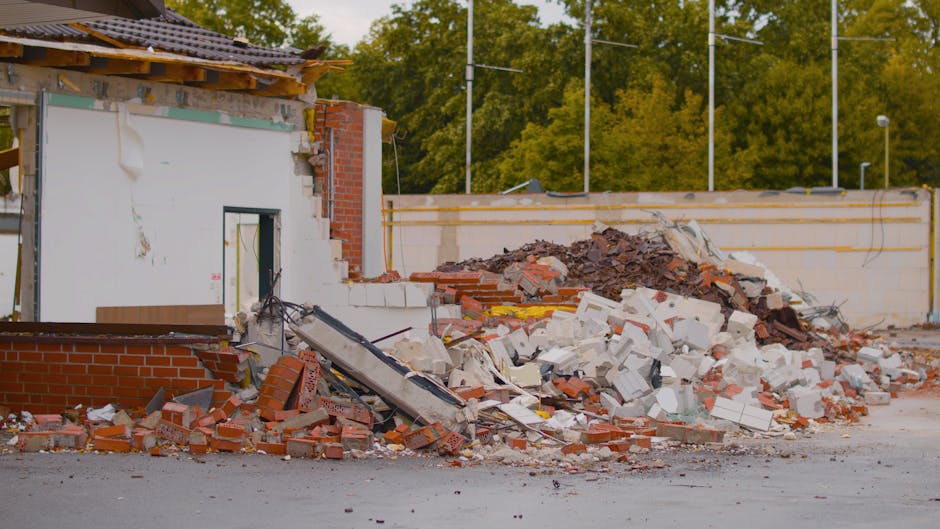
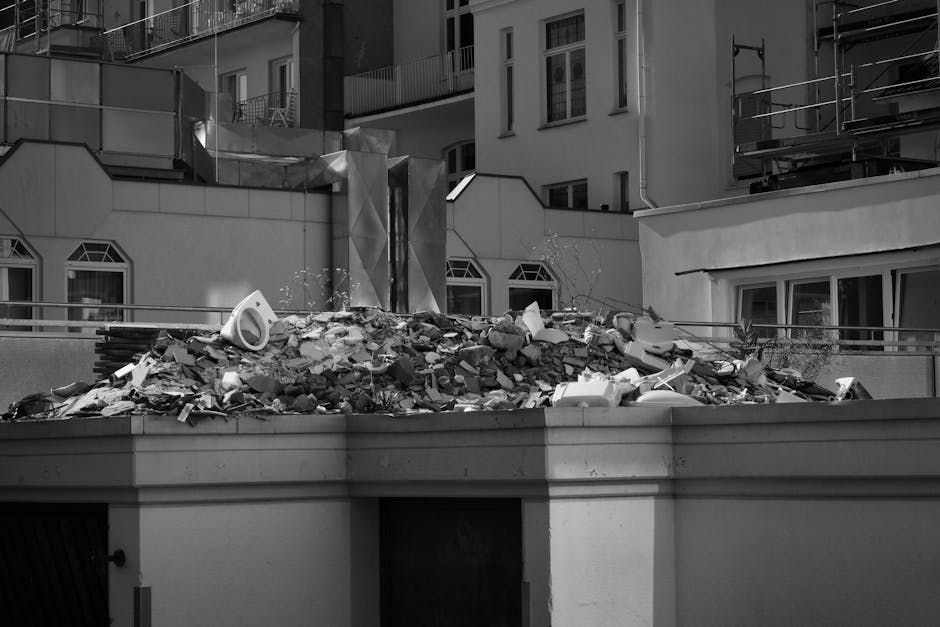
Before and after demolition rubbish clearance job South Acton
Demolition jobs are messy in the most ordinary, frustrating way. One minute you have a stripped-out room, a knocked-through wall, or a half-finished renovation; the next you are staring at broken timber, rubble, dust, old fixings, plasterboard, and a skip-load of mixed waste that seems to multiply overnight. If you are planning a Before and after demolition rubbish clearance job South Acton, the real challenge is not just removing waste. It is making the site safer, cleaner, and ready for the next trade, inspection, or phase of work without turning the whole project into a delay-fest.
This guide walks through what the job actually involves, why the "before and after" part matters so much, and how to approach clearance in a way that saves time, reduces risk, and keeps the space under control. You will also find a practical checklist, a comparison table, and a real-world example from a typical South Acton project. Nothing fancy. Just the stuff that helps on the ground.
Table of Contents
- Why Before and after demolition rubbish clearance job South Acton Matters
- How Before and after demolition rubbish clearance job South Acton Works
- Key Benefits and Practical Advantages
- Who This Is For and When It Makes Sense
- Step-by-Step Guidance
- Expert Tips for Better Results
- Common Mistakes to Avoid
- Tools, Resources and Recommendations
- Law, Compliance, Standards, or Best Practice
- Options, Methods, or Comparison Table
- Case Study or Real-World Example
- Practical Checklist
- Conclusion
- Frequently Asked Questions
Why Before and after demolition rubbish clearance job South Acton Matters
Demolition clearance is one of those jobs that looks simple until you are standing in it. The before stage is about preparing the area so waste can be removed safely and efficiently. The after stage is about leaving the site clear enough for builders, decorators, surveyors, or the client to move on without tripping over debris or breathing in a cloud of dust from the corner nobody checked properly. To be fair, that final tidy-up is often what separates a decent job from a great one.
In South Acton, where homes, flats, and mixed-use buildings often need careful access planning, the difference matters even more. Narrow entrances, shared stairwells, parking restrictions, and neighbours who are trying to get on with their day all make organised waste clearance a practical necessity. The job is not just removal. It is coordination, timing, and a bit of common sense.
Clearance also affects how the rest of the project feels. A good clean-down after demolition helps trades work faster, keeps hazards down, and gives everyone a proper view of what remains. That last point is underrated. Once the rubble, offcuts, and broken materials are gone, you can actually see the shape of the next stage. That clarity is worth a lot.
If you are dealing with multiple waste streams, it can help to understand how demolition clearance sits alongside broader services such as builders waste clearance and general waste removal. Different jobs need different handling, and mixed waste is never quite as innocent as it first appears.
How Before and after demolition rubbish clearance job South Acton Works
A proper demolition rubbish clearance job usually follows a simple pattern, though the details shift depending on the building and the waste volume. The process starts with assessing the site, identifying access routes, checking what materials need removing, and deciding whether anything requires special handling. Then the clearance team loads, separates, transports, and disposes of the waste at appropriate facilities. After that comes the sweep-through, which can make a surprising difference in how usable the space feels.
The key is sequencing. You do not want to clear too early and leave sharp debris scattered around while trades are still working. You also do not want to wait too long and let the site become cluttered, dusty, and awkward to move around. Timing matters. A lot.
Here is what the "before" side typically includes:
- identifying rubble, timber, plasterboard, packaging, metal, and reusable material
- making sure access is clear for loading and lifting
- checking for nails, glass, and loose fragments
- separating bulky items from finer waste where possible
- planning for any awkward routes, stairs, or tight corners
And the "after" side usually focuses on:
- removing leftover dust and small offcuts
- checking corners, edges, and under fixed items
- making the area safe for the next trade
- confirming that no waste is blocking exits or shared access
- leaving the site visually tidy, not just technically clear
If you have ever walked into a room after a demolition and felt that immediate relief when the floor is visible again, you already know why this matters. The place stops feeling like a work in progress and starts feeling manageable.
Key Benefits and Practical Advantages
Good demolition rubbish clearance is not glamorous, but it does solve real problems. The benefits go beyond simply "getting rid of stuff". In practice, it creates better workflow, lower risk, and a smoother handover.
1. Safer working conditions
Rubble, broken boards, protruding fixings, and dust can all create avoidable hazards. Clearing waste early and thoroughly reduces trip risks and helps the team move around without hesitation. That matters on active sites, especially where more than one trade is involved.
2. Faster progress
When waste is removed at the right stage, other trades can start sooner. Plumbers, electricians, plasterers, and decorators all need space to work. A cluttered room slows everybody down. Simple as that.
3. Better site visibility
Once the debris is gone, defects become easier to spot. You can see damp patches, uneven surfaces, and any damage that still needs attention. That saves nasty surprises later on.
4. Cleaner finish
After demolition, dust tends to settle in awkward places: skirting lines, sockets, corners, window tracks, the lot. A thorough after-clearance helps the handover look intentional rather than abandoned.
5. Less stress for the client
Let's face it, demolition noise is bad enough. Seeing piles of waste sitting around for days can make the whole project feel chaotic. Good clearance restores some order, which is oddly reassuring.
For bigger properties or more involved clearances, services like house clearance and home clearance can also be relevant when demolition touches domestic spaces that still contain old fixtures, clutter, or contents to be removed before work begins.
Who This Is For and When It Makes Sense
This kind of clearance is useful for more people than you might think. It is not only for builders with hard hats and clipboards. In South Acton, it often suits homeowners, landlords, letting agents, shopfitters, contractors, and anyone dealing with a refurbishment that has crossed the line into proper demolition waste.
You will usually need it if:
- a wall, ceiling, kitchen, bathroom, or internal structure has been removed
- you are refurbishing a flat and need mixed waste cleared quickly
- the property has awkward access and rubbish cannot simply be left outside
- the site must be handed over cleanly after strip-out works
- you want to avoid stacking waste in hallways, driveways, or shared spaces
It also makes sense when a job looks small but produces more waste than expected. That happens all the time. A few cupboards, some plasterboard, a couple of old doors, and suddenly you have a van full. There is nothing unusual about that at all.
Commercial spaces can need the same approach. If a unit, office, or back-of-house area has been stripped out, the waste load may include metal frames, partitions, fixtures, and packaging. In those cases, a service such as office clearance or business waste removal may be the better fit, depending on the type of premises.
Step-by-Step Guidance
If you are planning the job yourself or simply want to understand how a professional team should handle it, this step-by-step guide is a useful benchmark.
Step 1: Survey the waste
Walk the site and identify what needs removing. Look for rubble, wood, plasterboard, insulation, broken fittings, metal, tiles, and any bulky items. Check whether anything might be reusable or needs special care. A quick visual sweep helps, but a proper look is better.
Step 2: Separate obvious waste types
Where practical, separate clean timber, heavy rubble, mixed general waste, and items that should not be crushed or stacked randomly. Sorting does not have to be perfect, but it makes loading safer and disposal more efficient.
Step 3: Clear access routes
Make sure there is a path for carrying waste out without dragging debris through the whole property. In flats or terraced streets, that can mean protecting hallways and planning a sensible loading point. Nobody wants a trail of dust across a freshly swept landing. Not ideal.
Step 4: Remove the largest items first
Bulky debris tends to block movement. Get the big pieces out before handling smaller fragments. This reduces the chance of accidental damage and helps the team keep momentum.
Step 5: Load safely and evenly
Heavy waste should be distributed properly in the vehicle so the load stays stable. This is not just about neatness; it is a basic safety issue. A bad load can make a simple job awkward very quickly.
Step 6: Do the post-clearance check
Once the main waste has gone, look again. Check corners, under ledges, around skirting, behind doors, and near entry points. Small fragments have a habit of hiding in plain sight. They are sneaky like that.
Step 7: Confirm the site is ready for the next phase
Before the team leaves, confirm whether the area is ready for further works. If more demolition is due later, you may only need a partial tidy. If the job is complete, the space should feel genuinely clear, not half-done.
Expert Tips for Better Results
After enough clearance jobs, certain habits stand out. The best results usually come from small details rather than dramatic effort.
- Plan the timing around other trades. A clearance booked too late often means people waiting around with nothing to do.
- Do not underestimate dust. Even light demolition creates fine dust that settles on frames, sockets, and floors. It gets everywhere.
- Protect routes before moving waste. This is especially useful in flats and shared buildings.
- Keep a rough count of waste volume. It helps avoid underestimating the job and rushing the final phase.
- Use clear labels for anything that must stay on site. A "do not remove" pile is far better than a verbal instruction nobody remembers by lunchtime.
One small but valuable tip: keep a final sweep for the end of the day, not the middle. That last 10 minutes can save a surprising amount of trouble the next morning. You will thank yourself later, even if nobody else notices.
If the job includes older contents, obsolete furniture, or items being taken out before demolition starts, it may be sensible to combine it with furniture clearance or furniture disposal rather than treating everything as building waste.
Common Mistakes to Avoid
Most demolition clearance problems come from rushing, not from bad intentions. The following mistakes are common enough to be worth spelling out.
Leaving mixed waste unplanned
When everything gets thrown into one pile, disposal becomes slower and messier. Heavy rubble, sharp fragments, and lighter waste behave differently. Treating them as identical is where jobs start to unravel.
Forgetting access limitations
South Acton properties often involve shared access, limited parking, or tight stairwells. If that is ignored during planning, loading can become slow and noisy. The neighbours will notice. Trust me.
Clearing too early
If demolition is still ongoing, a perfectly tidy area may not stay that way for long. The result is duplicated effort and avoidable costs.
Skipping the final sweep
The final sweep is not a nice extra. It is part of the job. Loose screws, shards, and dust left behind can affect the next phase and create safety issues.
Overlooking compliance and paperwork
Waste removal is not just physical work. You also want to know where waste is going, how it is being handled, and whether the disposal route is proper and traceable. More on that below.
Tools, Resources and Recommendations
The right tools make demolition clearance easier, safer, and less irritating. You do not need a mountain of kit, but you do need the basics.
- Heavy-duty rubble sacks for smaller fragments and loose material
- Gloves and safety footwear to reduce injury from sharp debris
- Dust sheets and floor protection for clean routes and adjoining spaces
- Hand trolley or sack barrow where access allows it
- Brooms, shovel, and dustpan for final cleaning
- Clear signage or barriers if the site remains live during clearance
From a service perspective, it often helps to think about the job in layers. Demolition waste may be one layer, but the overall project may also involve domestic contents, garage overflow, or loft clutter that needs clearing before or after the main work. In those situations, related services such as garage clearance, loft clearance, or even flat clearance can help keep the project organised.
A practical recommendation? Start with a simple waste map. Note what is being removed, from which room or zone, and when. It sounds almost too basic, but it prevents confusion when the job is active and everyone is moving quickly.
Law, Compliance, Standards, or Best Practice
Demolition rubbish clearance should be handled in line with normal UK waste management expectations and good site practice. You do not need a legal seminar to get the basics right, but you do need to be careful. Waste should be transported and disposed of responsibly, and the person arranging the clearance should be satisfied that the waste is being taken to an appropriate facility.
For practical purposes, best practice usually means:
- using a properly insured and competent clearance provider
- avoiding fly-tipping or unverified disposal routes
- separating material types where possible
- managing dust, sharp edges, and trip hazards
- keeping access routes safe for residents, workers, and visitors
If asbestos, contaminated material, or suspicious substances are suspected, stop and get specialist advice. Do not assume it is just "old rubbish". That is a bad gamble, and not worth it.
For reassurance around how a provider operates, it is sensible to review pages such as health and safety policy, insurance and safety, recycling and sustainability, and terms and conditions. Those pages help set expectations and show how the job is approached in a more structured way.
Options, Methods, or Comparison Table
There is more than one way to handle demolition waste, and the right choice depends on the project size, access, urgency, and budget. Here is a simple comparison that may help.
| Method | Best for | Advantages | Limitations |
|---|---|---|---|
| Skip hire | Longer projects with steady waste generation | Can suit ongoing work; waste stays on site | Needs space, permits may be needed, waste may be exposed to weather |
| Man and van clearance | Quick removal, mixed demolition waste, tight access | Flexible, fast, often less disruptive in residential areas | Not ideal for very large or continuous waste streams |
| Phased clearance | Projects with demolition happening in stages | Keeps the site usable between phases | Requires coordination and repeat visits |
| Combined clearance and tidy-up | Jobs needing a clean handover after strip-out | Saves time, improves presentation, reduces leftover mess | Needs clear scope so nothing important is removed by mistake |
For many South Acton jobs, a man-and-van style clearance is the most practical because access can be tight and the waste mix changes quickly during demolition. But if the project is substantial, a more staged approach may be smarter. It depends. That old phrase again, but it is true here.
Case Study or Real-World Example
Imagine a first-floor flat in South Acton being refurbished after a partial internal demolition. The team has removed old kitchen units, broken up sections of plasterboard, stripped flooring, and taken out a couple of built-in cupboards. By the end of day one, the room looks like a storm passed through. Dust on the window ledge, rubble in one corner, offcuts by the doorway, and a pile of broken fittings that is too awkward to leave sitting there.
The before-clearance stage starts with protecting the hallway and deciding which items are going first. The largest waste is removed early so the route stays usable. Smaller debris is bagged and checked. The team then does a final sweep under the remaining fixtures, around the radiator pipes, and along the skirting boards. After the load is taken away, the room is left with a visibly cleaner floor, clear access for the next trades, and far fewer hidden hazards.
What changed? Nothing dramatic, really. But the project became easier to run. The decorator could assess surfaces properly. The client could finally see the space without the psychological clutter of debris. And the building felt calmer. That bit is hard to measure, but anyone who has lived through a renovation knows exactly what it means.
Practical Checklist
Use this checklist before and after the clearance to keep the job tidy and controlled.
- Confirm the demolition scope and what waste is expected
- Check access, parking, stairs, lifts, and any shared areas
- Separate heavy rubble from lighter mixed waste where possible
- Remove sharp or loose hazards before moving larger items
- Protect floors, doors, and nearby finishes
- Plan the loading order so the biggest items go first
- Keep a final sweep for dust, fixings, and small fragments
- Make sure nothing essential is accidentally removed
- Check the site is ready for the next phase of work
- Review any safety, insurance, or recycling details before the job begins
If the job is connected to wider property clearance, it may help to look at about us before booking, especially if you want to understand how the service is structured and what kind of approach is taken on site. Small details, but useful ones.
Conclusion
A good Before and after demolition rubbish clearance job South Acton is not just about taking waste away. It is about creating order at the point where a project can easily go wrong. Handle the before stage properly and the after stage becomes much easier. Handle the after stage properly and the next trade, client, or resident walks into a space that feels controlled rather than chaotic.
That is the real value here: less stress, better safety, and a cleaner handover. Whether you are dealing with a single-room strip-out or a more involved property project, the same principle holds. Clear the waste well, and the rest tends to flow a bit more smoothly. Not magic. Just good practice.
Get a free quote today and see how much you can save.
And if you are still weighing up the best way to move forward, take a breath. A tidy plan beats a rushed one most days.
Frequently Asked Questions
What does a before and after demolition rubbish clearance job in South Acton include?
It usually includes waste assessment, safe loading, removal of rubble and mixed debris, and a final tidy-up so the area is ready for the next stage of work.
How soon should demolition waste be cleared?
Ideally, it should be cleared as soon as it starts affecting safety, access, or workflow. In staged projects, that may mean partial clearance during the works and a fuller clean-up at the end.
Is demolition rubbish different from normal household waste?
Yes. Demolition rubbish often includes heavier, sharper, and dustier material such as rubble, plasterboard, timber, metal, and fixtures. It needs a different approach from regular domestic rubbish.
Can I mix demolition waste with old furniture or general clutter?
You can in some cases, but it is not always the best idea. Mixed loads can be harder to handle and dispose of efficiently. If the job includes contents as well as demolition debris, a broader clearance plan may help.
How do I know if I need a skip or a clearance team?
If the project is ongoing and produces waste over several days, a skip may work well. If access is tight, the waste is mixed, or you want it removed quickly in one go, a clearance team is often more practical.
What should I check before booking demolition rubbish clearance?
Check access, waste type, timing, whether anything needs special handling, and whether the provider has clear safety and disposal practices. A little checking early on can save a lot of hassle later.
Do I need to separate rubble from other waste?
Not always, but separating obvious waste types usually makes the job cleaner and more efficient. Heavy rubble and light mixed waste behave very differently, so it helps to treat them differently.
What happens if there is dust everywhere after demolition?
That is common. A good after-clearance should include a proper sweep-through and a check of corners, edges, and hidden areas where fine dust tends to settle.
Are there safety risks during demolition clearance?
Yes, especially from sharp edges, unstable stacks, dust, heavy items, and blocked access routes. That is why proper handling, protective gear, and careful loading matter so much.
What if the waste includes something suspicious or unusual?
Stop and get advice. Do not assume it is safe to move. Materials that may be contaminated, hazardous, or potentially asbestos-containing need specialist handling.
Can demolition clearance be done in flats and shared buildings?
Yes, but it needs extra care. Shared access, noise, lifting routes, and neighbour impact all need planning. Flat jobs often benefit from careful scheduling and tidy exit routes.
How can I make the final handover look better?
Do a final sweep, remove leftover fixings and dust, check corners and door thresholds, and make sure nothing is left in walkways. Clean, calm, and ready - that is the goal.
If you are planning demolition work and want a smoother handover from first messy strip-out to final tidy finish, the safest move is to plan the clearance early and keep it realistic. That little bit of structure changes everything, honestly.